Kallis, Trueba and degrowth cinema
Published in Nuvol on July 7 2022
A few days ago, two acts that on paper did not seem to have much in common coincided in Barcelona. On the one hand, at the Institut d'Estudis Catalans, the economist Giorgos Kallis spoke about the limits of economic growth; a couple of hours later, the filmmaker Jonás Trueba presented Tenéis que venir a vela, his latest film at the Girona cinema. I had the opportunity to attend both events and was pleasantly surprised to realize that a strong line of connection linked them.
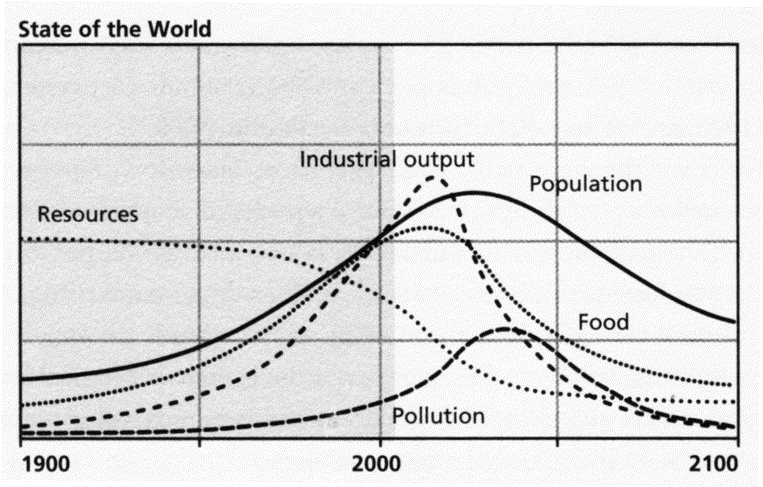
At the outset it must be said that Kallis, like all good economists, is above all a philosopher. His presentation focused on analyzing the paradoxical relationship of Western society with the notion of limit: on the one hand, we have the mandate to "overcome our limits" (either by doing ultra-marathons or sending exploration probes to Mars); but, at the same time, we live more and more in fear of the threat of a total collapse resulting precisely from not having respected them.
Faced with this, Kallis proposed a positive view of limits, understanding them almost as the condition for the possibility of a full and satisfying life. Limits should not be fought with, he wanted to say, but should be seen as an invitation to a desirable balance. That this aspiration collides head-on with a capitalism addicted to growth does not make it any less correct; in any case, it discredits a system that leads us to self-destruction by right. We learn to live within certain limits and we will find what we are in such a hurry to find by breaking them.
Well, this philosophy is exactly what is at the base of the film presented by Trueba. Starting with its duration (it doesn't reach 65 minutes), everything in it seems like a song to "less is more". The plot is minimalistic (a couple visits friends on the outskirts of Madrid), the planning is leisurely (fifty shots in total), the characters, very few (only the four protagonists and a fleeting appearance of the pianist Chano Domínguez). And it is precisely thanks to these limitations (not despite them) that the film flows with the lightness of a spring afternoon. The "decreasingness" of the project reaches such an extreme that they have decided to premiere it in a single room per city, almost as if it were a play, in a surprising act of friendship and collaboration with a group of exhibitors that the director considers as much a part of the work as the actors and technicians who made it.
In the discussion that followed the screening, Trueba elaborated on his work philosophy. He does not give up doing bigger projects, but he is convinced that something very valuable is hidden in the reduced dimension. In cinema, everything tends to oversize, everyone tries to inflate each new project like a balloon, you live under the constant imperative to produce more and bigger. Against this he opposes the practice of a small group of friends making handmade films with the modesty of an ant colony (one of the plans in Tenéis que venir a verla develops this metaphor visually). And he realizes that under these conditions a freedom and authenticity can emerge that would hardly germinate in the crazy race towards the umpteenth super-production.
Kallis was talking about our relationship with the planet and with humanity as a whole. Find out about his relationship with art and creative freedom. And both reached the same conclusion: the secret of the good life is to live in harmony with our limits.
Post a comment